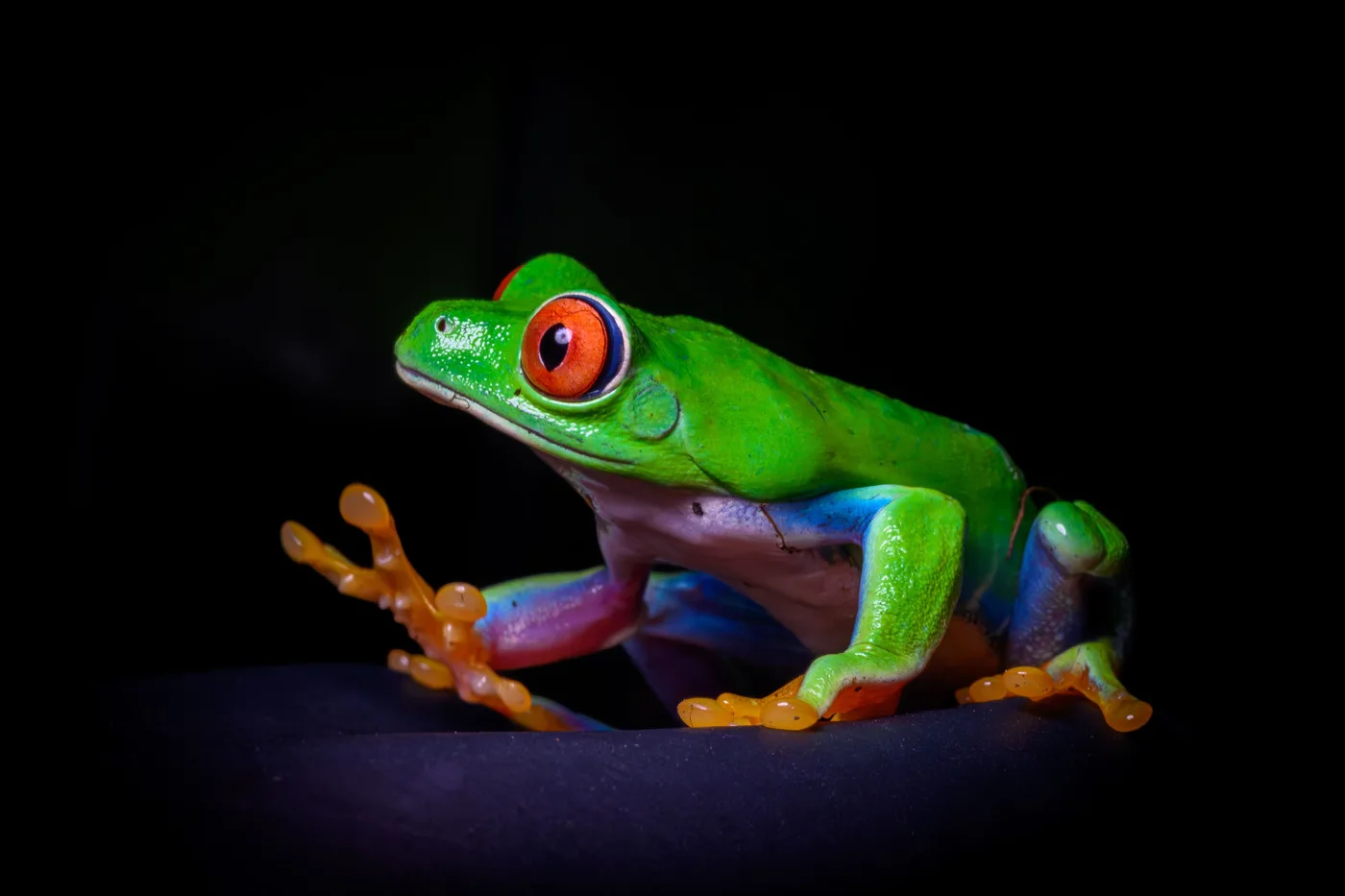

Nottingham's Frogfather began with two red-eyed tree frogs for Tony's mum's 70th. Now 30-plus species, bioactive vivariums and a free 37-page care guide.
For as long as Tony can remember, his family brought his mum a frog ornament back from every holiday. Then they ran out of places to go and ornaments she did not already own.
“So, for her 70th birthday, we decided to do something a little different,” he says. “We sent her on holiday and bought her two real red-eyed tree frogs instead.”
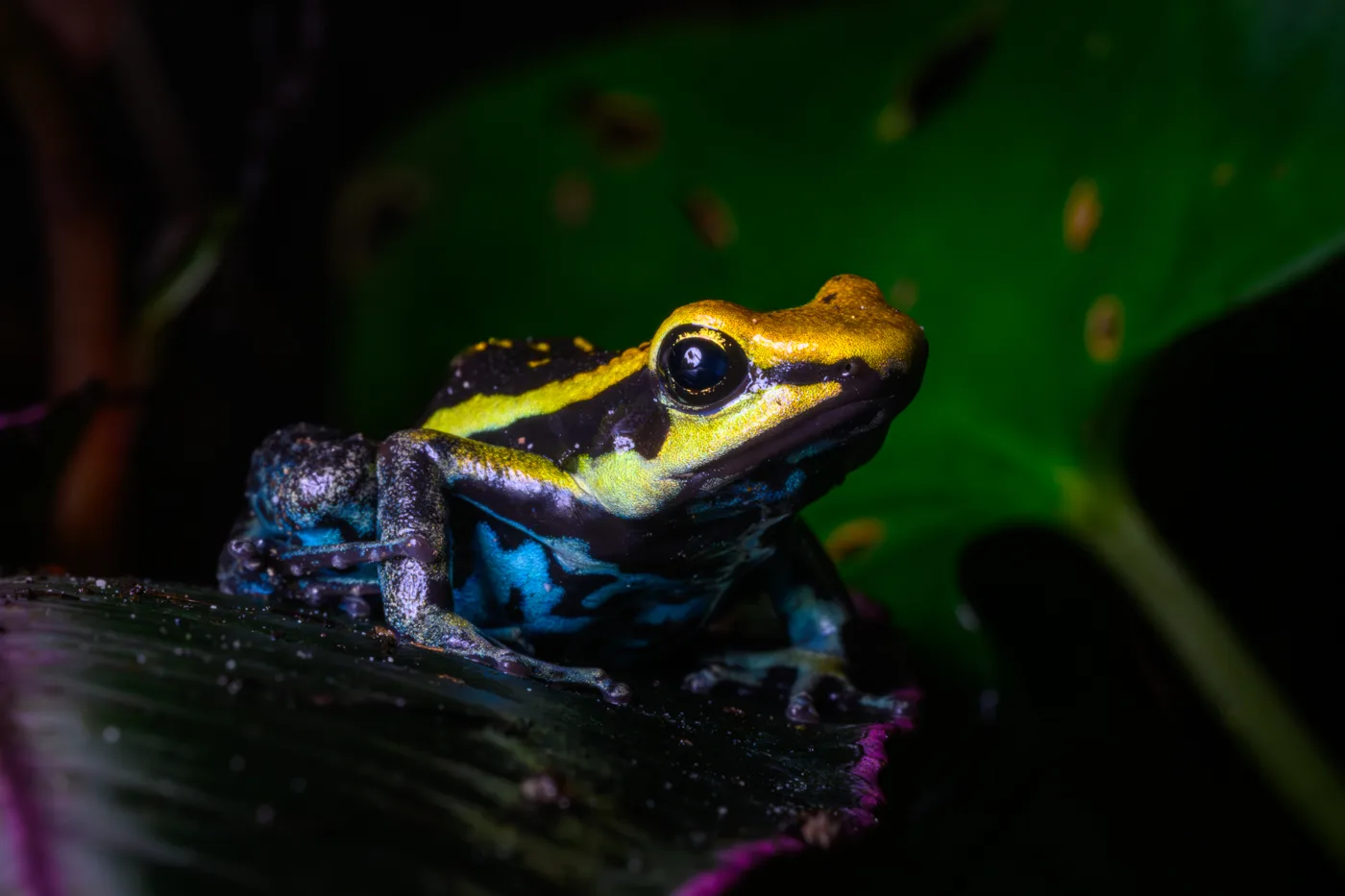
That present is where The Frogfather came from. It is a Nottingham business that breeds tropical dart frogs, builds established bioactive vivariums (enclosures planted as small working rainforests, with mosses and the tiny invertebrates that keep them clean), and designs and 3D-prints equipment for people who keep exotic animals.
“That was where things started to get a little out of hand”
The two frogs needed somewhere to live, so Tony designed and built them a tropical vivarium.
“I discovered that I had a bit of a knack for creating these miniature rainforest environments, and, more importantly, I thoroughly enjoyed doing it,” he says. “That was where things started to get a little out of hand! I built another vivarium, then another, and before I knew it, what had started as a birthday present had become something of an obsession.”
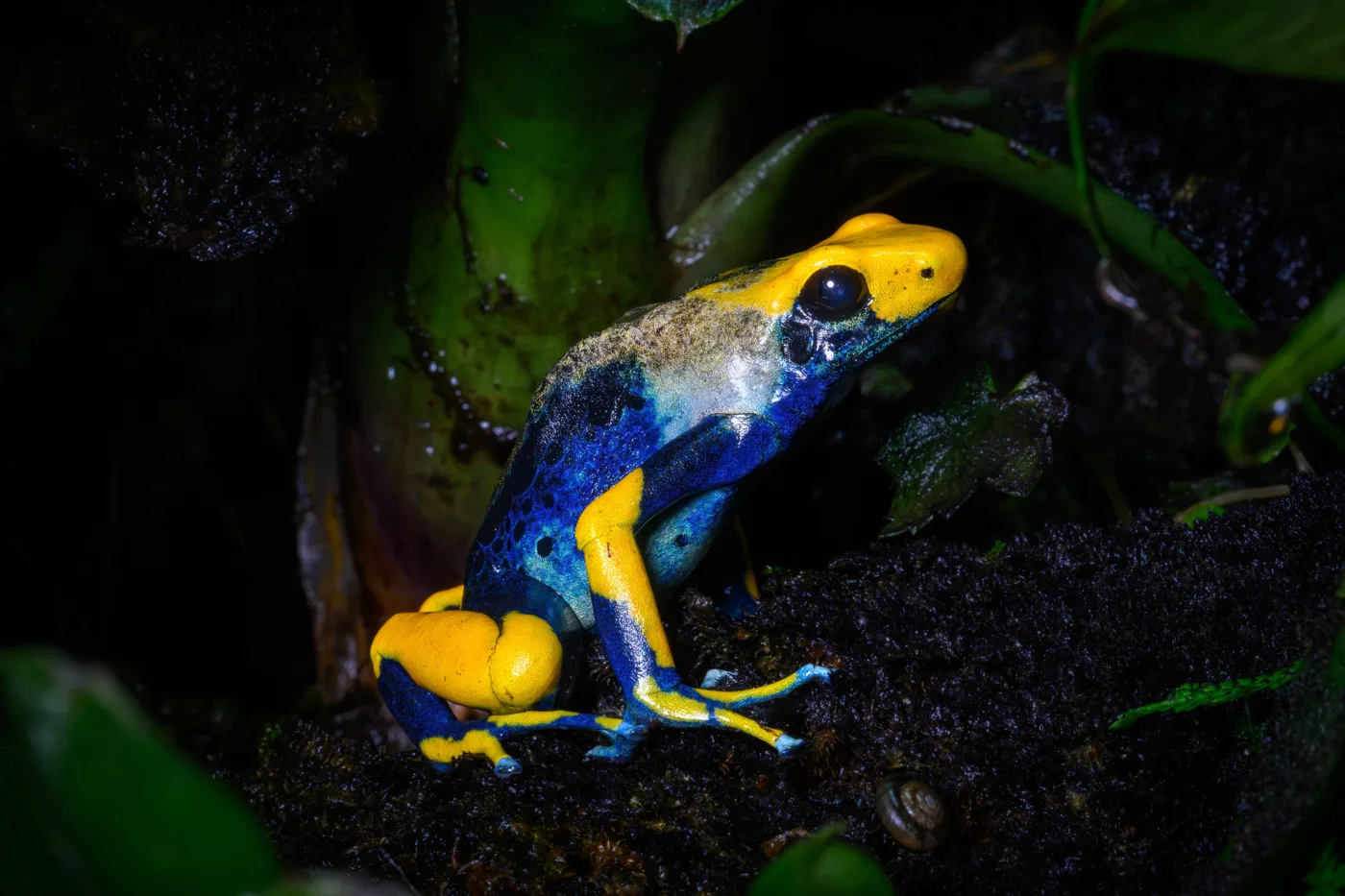
He now keeps and works with more than 30 species of frog, alongside a growing collection of vivariums and other exotic animals. He does it all next to a full-time job in government.
“The Frogfather started as a way of switching off from the pressures of my day job, and it remains an incredibly rewarding way to relax, experiment and be creative,” he says.
Equipment he could not buy, so made
The hobby grew into a business when he started making his own kit.
“I began designing and developing my own equipment, including 3D-printed products that help with feeding, breeding, enrichment and the everyday challenges of keeping exotic animals,” Tony says. “Many of these products came about simply because I couldn’t find exactly what I needed, so I decided to make them myself.”
The shop on his website sells those 3D-printed vivarium accessories alongside dart frogs, tropical plants, springtail and isopod cultures, fruit flies and other live food, supplements and complete vivariums. Some of the 3D-print designs are offered as files to download and print at home.
Breeding for other keepers
Breeding has become a bigger part of the work, and Tony puts it in terms of keeping captive populations healthy.
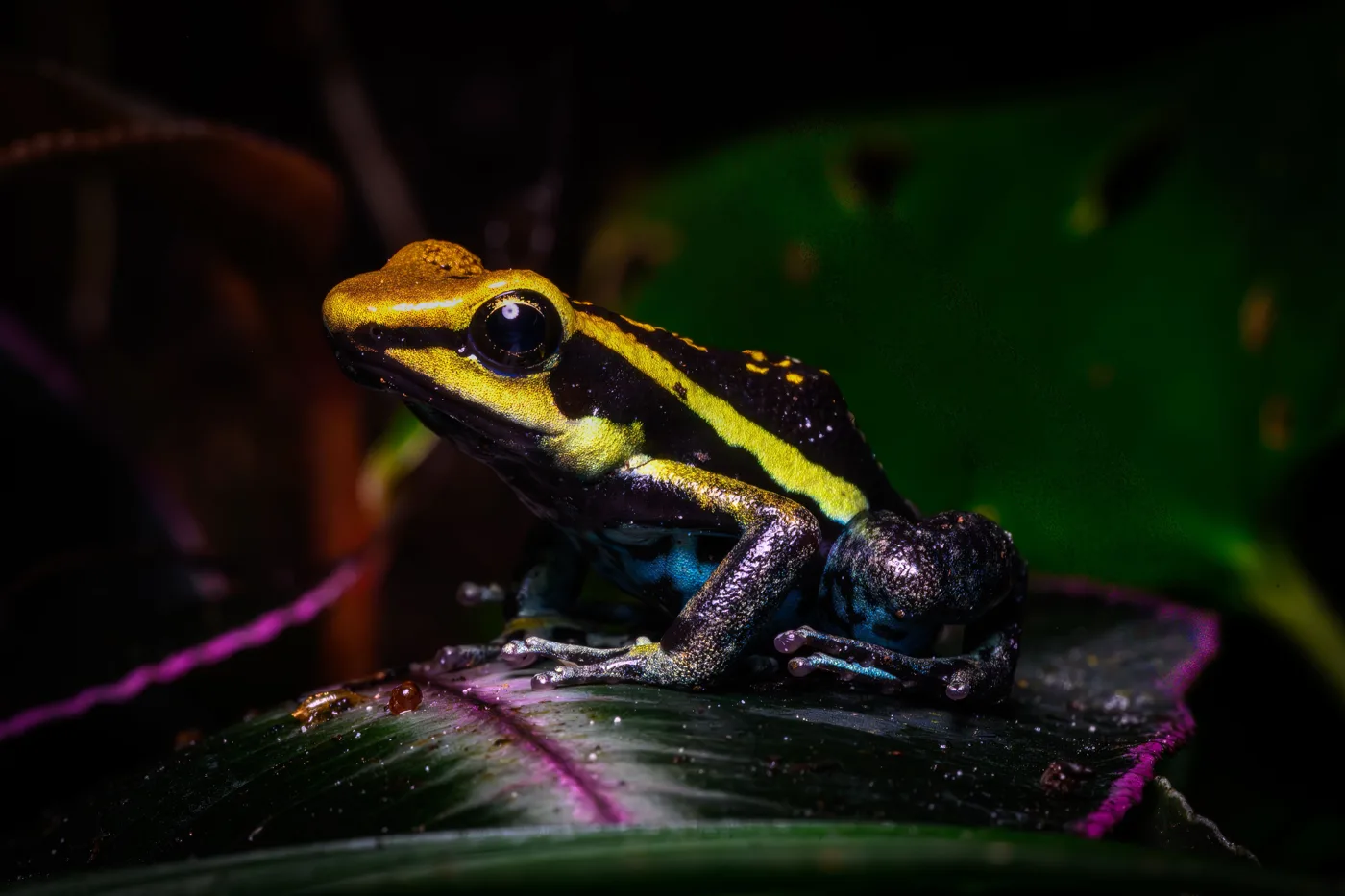
“Conservation and responsible breeding have also become increasingly important parts of what I do,” he says. “I work with other specialist breeders and keepers, sometimes providing tadpoles from rarer species to help maintain healthy, genetically diverse captive populations and established breeding lines.”
The business is online only. Its website says live animals are sent from its dispatch point in NG3, Nottingham, by DEFRA-registered couriers only.
A free guide, checked by a vet
The part Tony says he cares about most is teaching people to keep these animals properly.
“Over the years, I’ve been fortunate enough to build relationships with some incredibly knowledgeable people in the amphibian and exotic animal world,” he says. “That experience has also led me into education, developing courses and free resources covering animal husbandry, tropical vivarium construction and responsible frog keeping.”
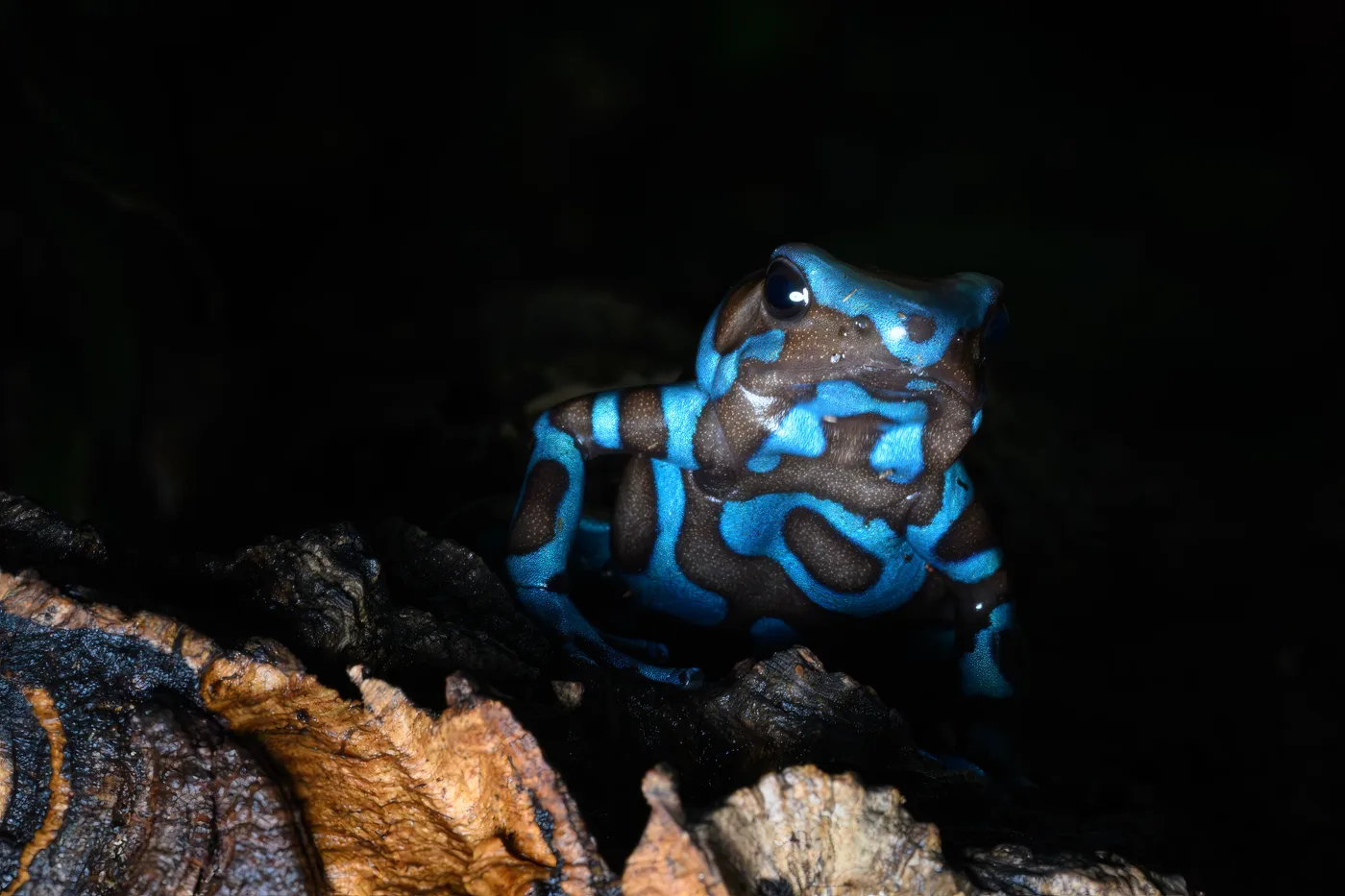
The newest of those is a free, illustrated dart frog care and bioactive vivarium guide, a 37-page PDF covering choosing a species, building and planting a vivarium, microfauna, day-to-day care and the basics of breeding. The business says its husbandry information was fact-checked by Dr Greg Dickens, a zoological veterinary surgeon who is its scientific and veterinary adviser. The guide goes with a free online course, Bioactive Vivarium Fundamentals, which runs through eight lessons from substrate and drainage to lighting, humidity and troubleshooting.
The licence
The business’s website says an animal activities licence exists to make sure anyone breeding and selling animals does it responsibly. The Frogfather’s is issued by Nottingham City Council (licence number 225499), and Tony says it carries a four-star Higher Standard rating. The business wrote up its most recent inspection, held in December 2025, on its blog, including the welfare, quarantine and cleaning checks the inspectors went through.
“What I particularly enjoy is that there’s always something new to learn,” Tony says. “Whether that’s successfully breeding a challenging species, developing a new piece of equipment or simply watching a tiny rainforest ecosystem thrive, it never really gets boring.”
“And to think,” he adds, “the whole thing started because we ran out of frog ornaments to buy my mum!”
Sponsored feature for The Frogfather.
Have your say