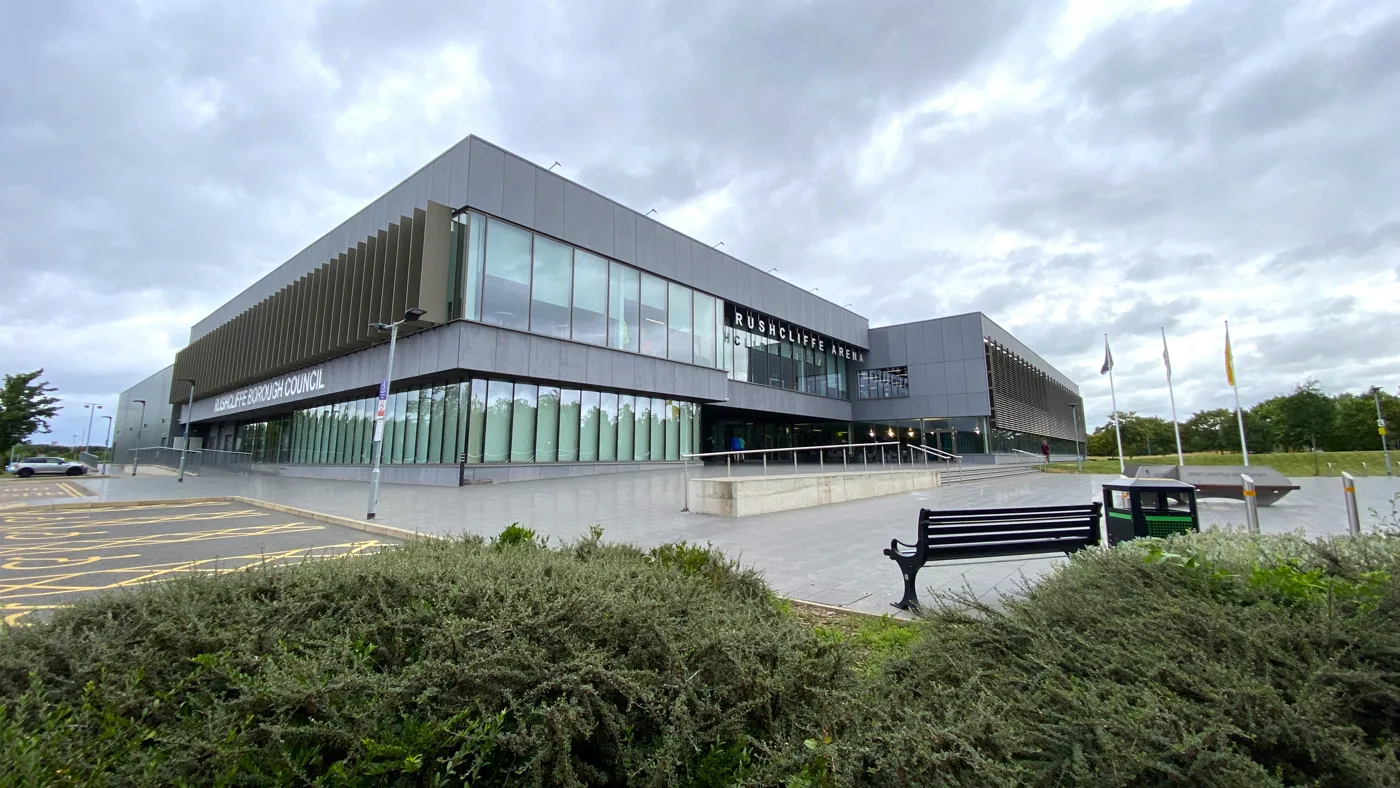

Rushcliffe votes on 13 October on full council tax relief for foster carers and terminally ill residents on support, and on scrapping the second homes premium.
Foster carers in Rushcliffe could stop paying council tax altogether, backdated to April. So could households where someone is terminally ill and the family already gets Council Tax Support.
Rushcliffe Borough Council’s Cabinet decides both schemes on Tuesday 13 October. In the same vote it is asked to scrap the extra charge on second homes, which doubles their bill.
All three changes come from councillors on the Communities Scrutiny Group, not from officers. The council’s own finance chief advised against two of them.
What Cabinet is being asked to approve
The report to Cabinet recommends three changes:
- Foster carers: up to 100% council tax relief, from 1 April 2026.
- Terminally ill residents: up to 100% relief on what is left of the bill, for households already on Local Council Tax Support, from 1 April 2026.
- Second homes: the 100% premium on second homes is revoked. The scrutiny group wanted this to take effect from 1 April 2027.
The scrutiny group discussed the policies on 23 September. The report says majority votes carried the foster carer and second homes recommendations. The terminally ill scheme was agreed unanimously.
The officer advice went the other way on two of them
The council’s Section 151 officer is the senior officer responsible for its finances. The report sets out that officer’s advice:
- keep the second homes premium;
- adopt the terminally ill relief; and
- postpone the foster carer relief until the new unitary council, which is due to replace Rushcliffe under local government reorganisation, can agree one approach.
Cabinet now has to choose between that advice and the scrutiny group’s view. The report asks Cabinet to “consider the recommendations from Communities Scrutiny Group”.
Who would qualify
Foster carers. The draft foster carer policy covers a home in Rushcliffe where the person who pays the bill, their partner or someone else in the household is an approved foster carer. They must:
- be registered with a fostering service;
- live at the home as their main residence;
- be liable for the council tax there; and
- show evidence of their registration.
Relief starts from 1 April 2026 or the date they were approved as a foster carer, whichever is later. It runs to the end of each financial year while they stay registered.
Terminally ill residents. The draft terminal illness policy needs three things:
- the home is in Rushcliffe;
- the household already receives Local Council Tax Support; and
- an SR1 form, completed by a doctor or other medical professional, says the person may have 12 months or less to live.
The award normally starts on the date the SR1 is signed. If the person lives longer than 12 months, the policy says the relief carries on without a new prognosis being needed.
There is no national council tax exemption for terminal illness. The report says councils can only help through their own discretionary powers, under section 13A of the Local Government Finance Act 1992. It names Newark and Sherwood and Broxtowe as councils already doing something similar.
What the second homes premium has done
Rushcliffe has charged second homes double since 1 April 2025. The background paper gives the first figures:
| Measure | Figure |
|---|---|
| Properties charged the premium at some point | 175 |
| Properties still paying it now | 121 |
| Properties charged it throughout | 72 |
| Extra council tax raised in its first two years | £576,000 |
Most of that money goes to the other bodies that share the bill, led by the county council (see our council tax split). The report puts Rushcliffe’s own loss from scrapping the premium at about £20,000 a year.
The paper argues both ways. It says the drop in liable homes shows “clear evidence of behavioural change among property owners”. It also says Rushcliffe sits near the end of “the tail” of councils using the premium, so the policy may be “only marginally effective” here. Nottingham City, Broxtowe, Gedling and Newark and Sherwood all charge it, and so did 210 of 296 English councils in 2025.
The report’s risk section warns that scrapping it “could reduce the incentive for property owners to bring properties back into occupation”.
What it would cost
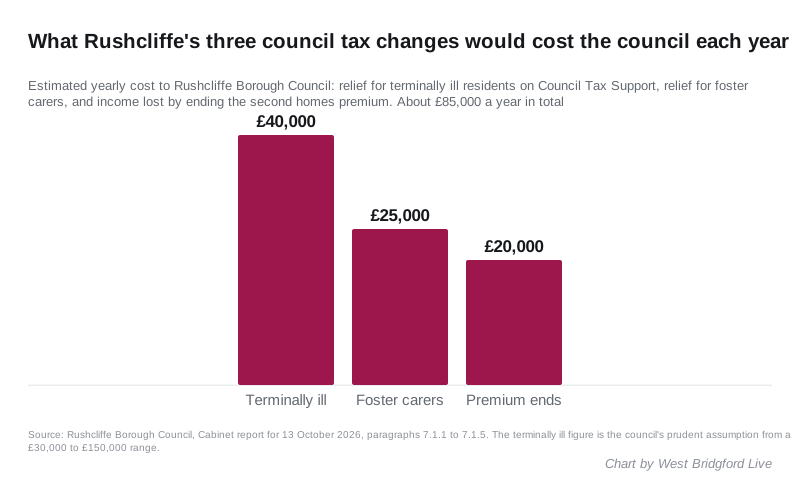
The report estimates:
- £40,000 a year for the terminally ill scheme. That is a “prudent assumption”; the real cost could be anywhere from £30,000 to £150,000.
- £25,000 a year for foster carers, based on current numbers.
- £20,000 a year of lost income from ending the second homes premium.
Together that is about £85,000 a year, or £425,000 over five years. Rushcliffe pays for both relief schemes itself. Both would be reviewed after 12 months.
What it means for you
- If you foster: nothing changes until Cabinet decides. If it approves the scheme, you will need to apply to the council in writing with proof of your registration. Relief would be backdated to 1 April 2026 at the earliest.
- If someone in your home is terminally ill and you get Council Tax Support: ask the doctor or nurse about an SR1 form. It would be the key evidence for this relief.
- If you own a second home in Rushcliffe: the double charge stays for now. On the scrutiny group’s timetable it would end on 1 April 2027.
- Everyone else: your bill does not change. Our West Bridgford council tax bands page has this year’s charges for every band and parish.
Any scheme approved now would be reconsidered by the new unitary council if reorganisation goes ahead, the report says.
The meeting starts at 7pm on 13 October. The agenda and papers are on the council’s website.
Sources
- Rushcliffe Borough Council, Cabinet, 13 October 2026: agenda and papers
- Council Tax Policy Changes report, Director of Finance and Corporate Services
- Appendix A: Second Home Premium background paper
- Appendix B: Terminally Ill Council Tax Relief Policy
- Appendix C: Foster Carer Council Tax Relief Policy
Have your say